

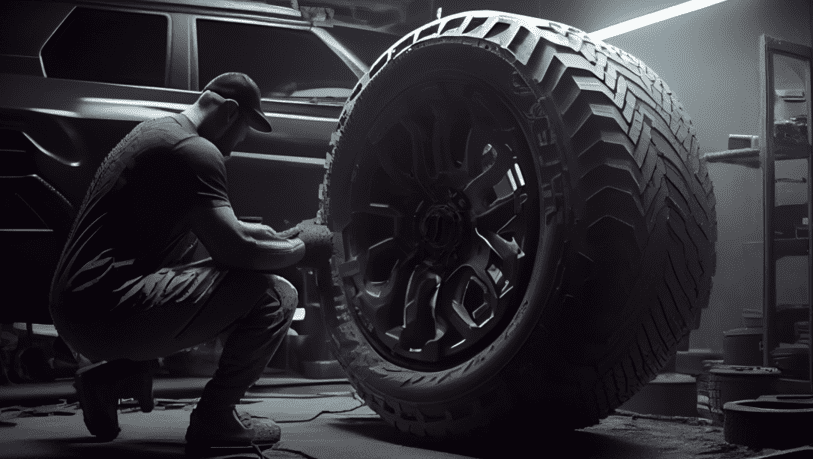
Answer First
Most Buyers Mean Run-Flat Mobility Systems.
In armored vehicle planning, “bulletproof tires” usually refers to run-flat inserts or reinforced mobility systems that help a vehicle keep moving after tire damage. They should be specified together with vehicle weight, wheel size, suspension, braking, route conditions, and the protection level of the armored SUV, APC, pickup, or cash-in-transit vehicle.
Do Bulletproof Tires Really Exist?
The phrase is common in buyer searches, but the more accurate term is usually run-flat system. A run-flat system is designed to preserve mobility after tire damage so the driver can leave a risky area, continue a convoy movement, or reach a controlled stopping point. It is not a standalone replacement for the vehicle’s full protection package.
Why Run-Flat Systems Matter In Armored Vehicles
Armored vehicles carry additional weight from ballistic glass, reinforced body structure, protected doors, overlaps, and optional equipment. That extra mass changes how tires, wheels, brakes, and suspension behave. Run-flat planning helps protect mobility when a tire is damaged, but it must be matched to the platform and operating environment.
What Buyers Should Ask Before Choosing A System
- Which vehicle type is being armored: SUV, sedan, pickup, APC, or cash-in-transit?
- What is the expected armored weight, passenger count, and payload?
- Will the vehicle operate mainly in cities, remote routes, convoy movement, or mixed roads?
- Does the buyer need B6, B7, or another protection direction?
- Can the destination country support service, replacement, and maintenance for the selected wheel and tire setup?
Where They Are Most Useful
- Armored SUVs used for executive, family, diplomatic, or private protection.
- Armored personnel carriers and APCs moving crews through higher-risk routes.
- Cash-in-transit vehicles that need to preserve movement during a security incident.
- Protected pickups, convoy support vehicles, and export builds operating on mixed road conditions.
What To Review Before Adding Run-Flats
SchutzCarr reviews tire size, expected payload, armored weight, braking, suspension, route type, operating temperature, service access, and protection level before recommending a run-flat direction. This helps the vehicle remain practical instead of simply adding equipment because it sounds protective.
How This Fits With B6, B7, And Armored Vehicle Planning
Run-flat systems should be considered alongside ballistic protection standards, ballistic glass, steel reinforcement, communication equipment, and export documentation. Buyers comparing armored SUVs, armored personnel carriers, or available armored vehicles should treat mobility after tire damage as one part of the full protected mobility specification.
How To Request The Right Direction
Share the vehicle model, destination country, protection level, route conditions, passenger count, expected payload, and whether the vehicle is for executive, convoy, banking, private security, or fleet use. SchutzCarr can then review the run-flat direction as part of the full armored vehicle specification.